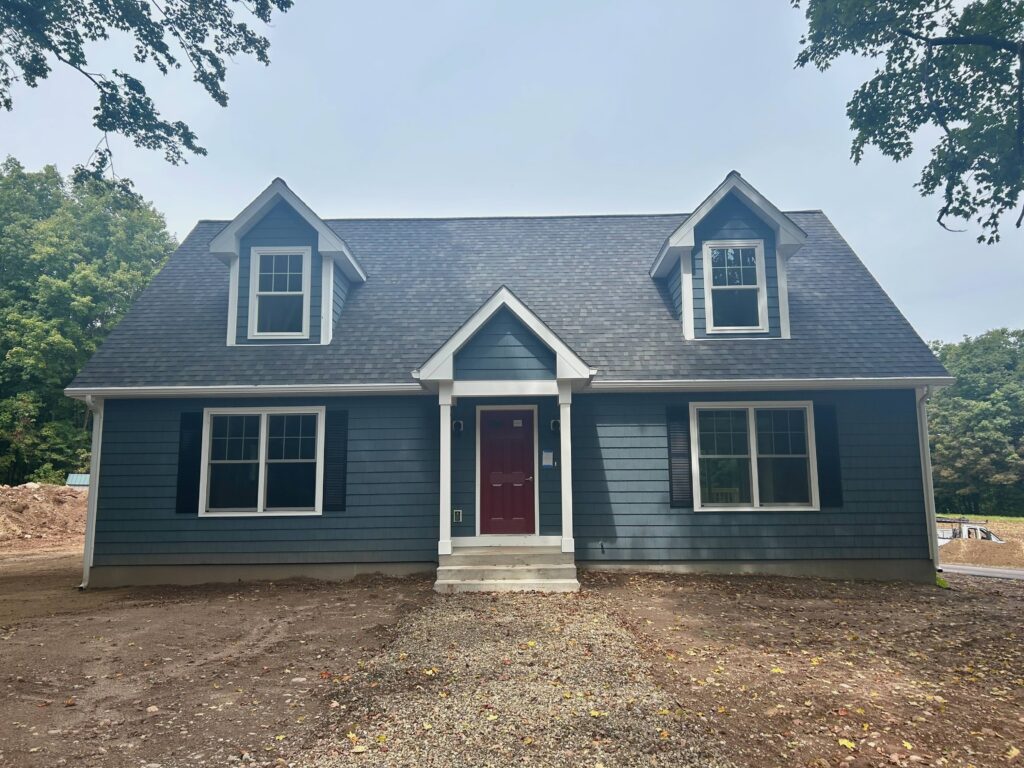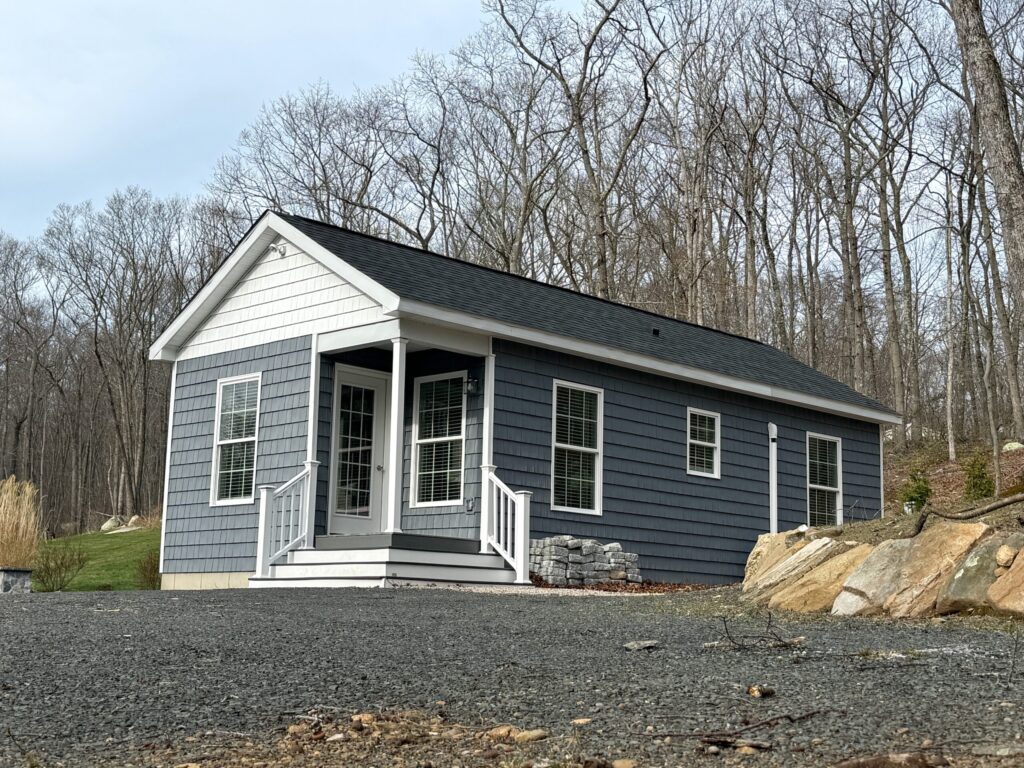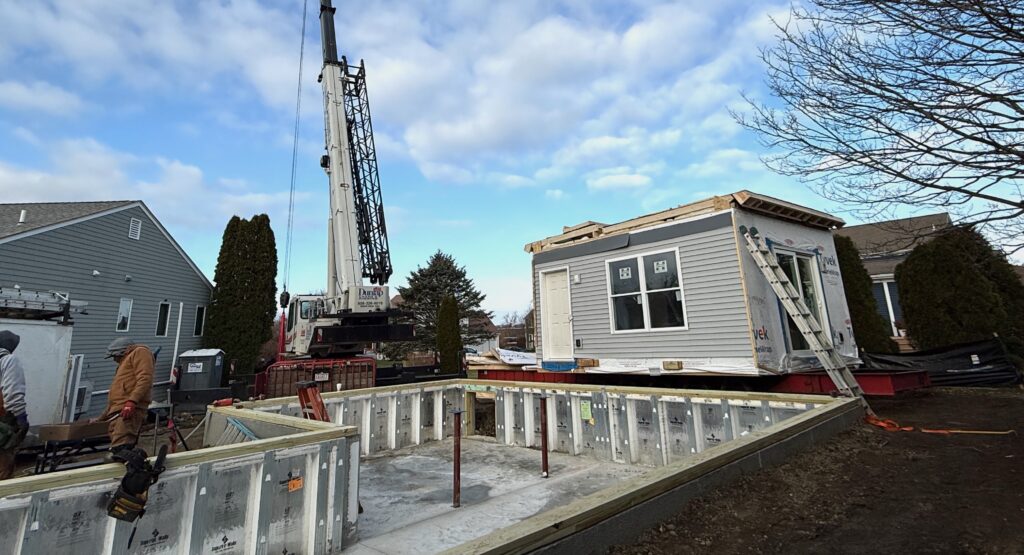
Accessory Dwelling Units (ADUs), often referred to as in-law apartments or granny flats, are self-contained residential units located on the same property as a primary home. ADUs come in many forms, including backyard cottages, home additions, and converted garages. Once considered a niche property upgrade, ADUs are quickly going mainstream across Southern New England, an area facing some of the tightest housing supply in the country. Rising home prices, limited inventory, and a growing demand for flexible living arrangements have made ADUs an ever more attractive solution for homeowners in both Connecticut and Rhode Island.
How Much Do ADUs Cost in Connecticut & Rhode Island?
While ADUs are indeed smaller than standalone single-family homes, and therefore require fewer materials and less labor, the price difference isn’t always as dramatic as people might expect.
A typical 1 bed, 1 bath, ~500 square foot ADU will start at roughly $275,000 for a complete, all-in build.
At a glimpse, the per-square-foot cost may seem high. However, upon evaluating what truly goes into an ADU build, and how costs break out, the pricing becomes much easier to understand and justify.
Why is Cost Per Square Foot of ADUs So High?
Think of it this way: You’re paying for the most expensive parts of a new home build, just with a smaller footprint.
Regardless of size, generally, the costliest parts of a modular home build are excavation, foundation, driveway, HVAC, utilities tie-ins, plumbing, electrical, paint, carpentry, and permitting— all of which will be required whether the home is 500sqft or 5000sqft, and don’t scale down proportionally.
Additionally, contrary to popular belief, ADUs are not shrunken-down homes; rather, they are thoughtfully and efficiently designed homes. ADUs include full-sized, uncompromised kitchens and bathrooms, not kitchenettes nor quarter baths. It’s the less critical, less costly design elements that have been stripped away from the floorplan— walk-in closets, walk-in pantries, mudrooms, etc.
ADU versus Site Work: Where the Money Goes
If a typical ADU build starts around $275,000, how does this number break out?
When building an ADU in Connecticut or Rhode Island, it’s fair to expect that the unit itself will account for roughly 60% of the project total cost. The remaining 40% will be allocated to the Construction Package, of which excavation, foundation, and utility tie-ins are generally the largest and most variable cost drivers, depending heavily on the property’s unique conditions.
Hidden ADU Build Costs to be Aware of:
Before getting too excited about your ADU project, it’s critical to understand the potential “hidden” or overlooked costs that can impact project budget.
The big one– your septic system. If your primary home has a septic system, as opposed to a public sewer connection, you’ll want to be sure to confirm its capacity. Can your existing septic system accommodate another bedroom? What about two? A good place to start is with your local Planning & Zoning Department. They’ll help you to gain an understanding of what may be possible given your situation.
Particularly in the case of 2-bedroom ADUs, septic system capacity is a must-know when mapping out project budget. Exceeding the capacity of a septic system doesn’t necessarily mean the project won’t be feasible, but, in the event that an existing septic must be replaced with a larger system, project budget can swell by tens of thousands.
As with any new home build, whether modular, stick, ADU or standalone, Planning & Zoning will require that a current Site Plan be submitted to the town in order to be awarded a building permit. Survey and Site Plan, while hardly “hidden” costs as they’re always required, are frequently underestimated and should be budgeted for upfront. Site plans are typically the responsibility of the Homebuyer and are therefore paid out-of-pocket, rather than rolled into the often-financed total purchase price. Site Plan costs can vary widely based on your location, property size, and choice of civil engineering firm, but expect your Site Plan to set you back ~$5,000 or more.
Are ADUs worth the Cost?
Despite the up-front investment, ADUs can deliver significant long-term value, especially when the use case is clearly defined. ADUs are much more than just a property upgrade, they are a flexible housing solution that can serve multiple purposes over time.
The most common use case is multigenerational living. ADUs provide a private, independent living space for aging family members, and compare favorably versus assisted living facilities in a number of ways, both financially and personally.
Where permitted, ADUs can generate steady rental income, helping offset mortgage payments or providing additional cash flow.
A well-designed ADU can significantly increase the overall value and marketability of your property, particularly in supply-constrained markets like Connecticut and Rhode Island.
An ADU isn’t just an expense of aging, it’s an investment in your property, your lifestyle, and your future.