Modular homes have become an increasingly popular choice for homeowners looking for efficiency, quality, and sustainability. Yet, despite their growth, many people still carry misconceptions about what modular construction really means. Let’s clear the air and uncover the truth behind some of the most common myths.
Myth 1: Modular Homes Are Similar To Mobile Homes
The Misconception: Many people hear “modular” and assume it’s interchangeable with “mobile” or “manufactured” housing.
The Truth: Modular homes are very different. They are built to the same (or higher) local building codes as traditional site-built homes. Unlike mobile or manufactured homes, which follow federal HUD codes, modular homes are permanent structures placed on a foundation and are often indistinguishable from stick-built houses once completed.
Myth 2: Modular Homes Are Low Quality
The Misconception: Some assume modular means “cheaply made” or “temporary.”
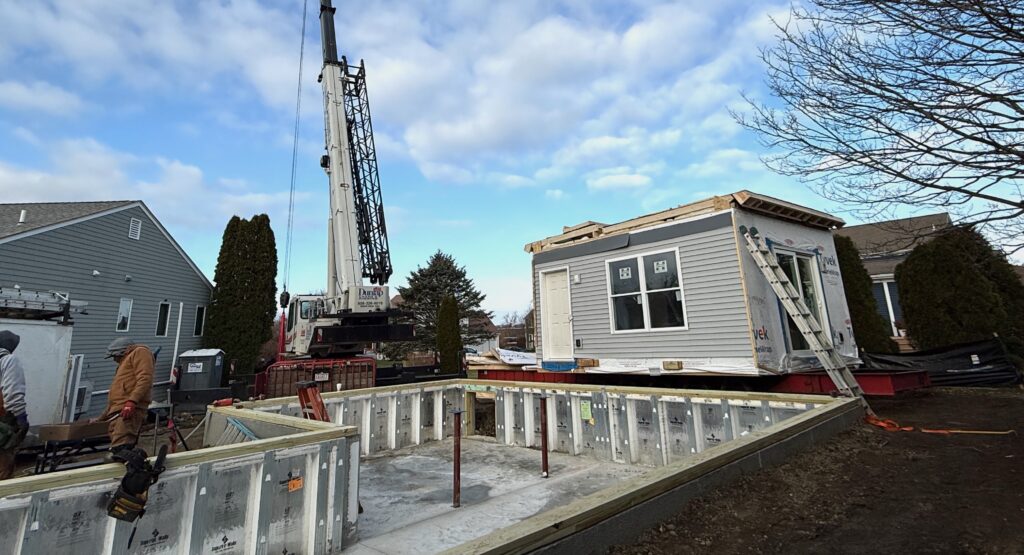
The Truth: Modular homes are constructed in controlled environments with strict quality oversight. Building indoors minimizes weather delays, reduces material waste, and ensures precision. In many cases, the result is higher quality and consistency compared to site-built homes, which are subject to weather and variable jobsite conditions.
Myth 3: They All Look the Same
The Misconception: People picture modular homes as cookie-cutter boxes with little room for design flexibility.
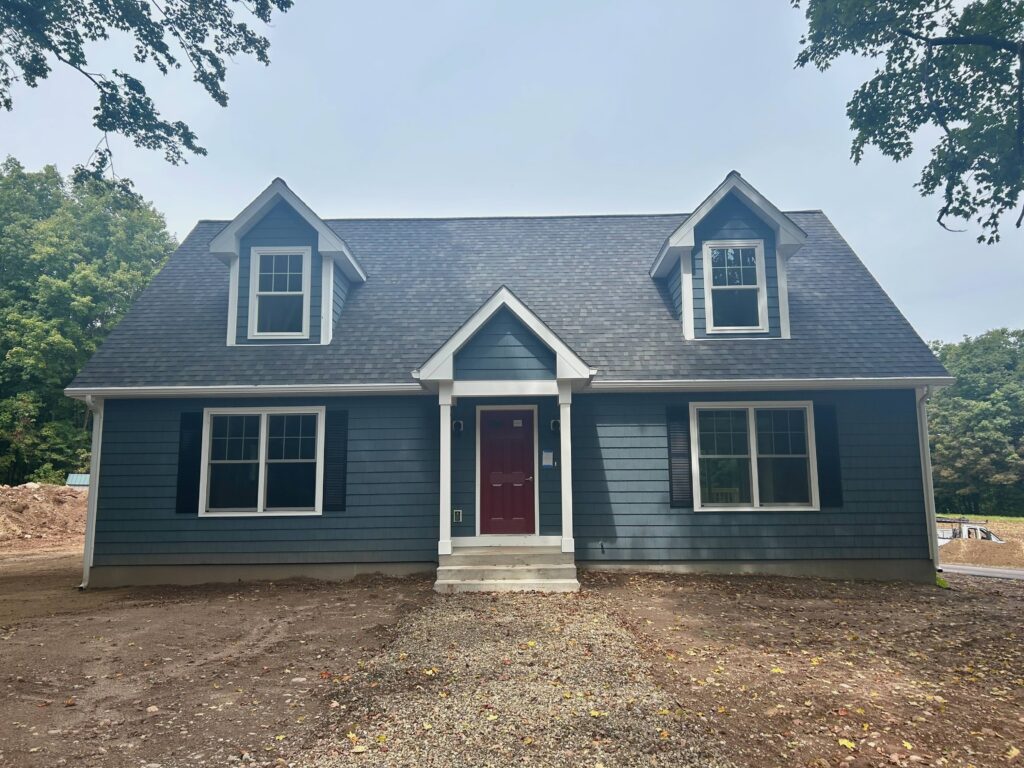
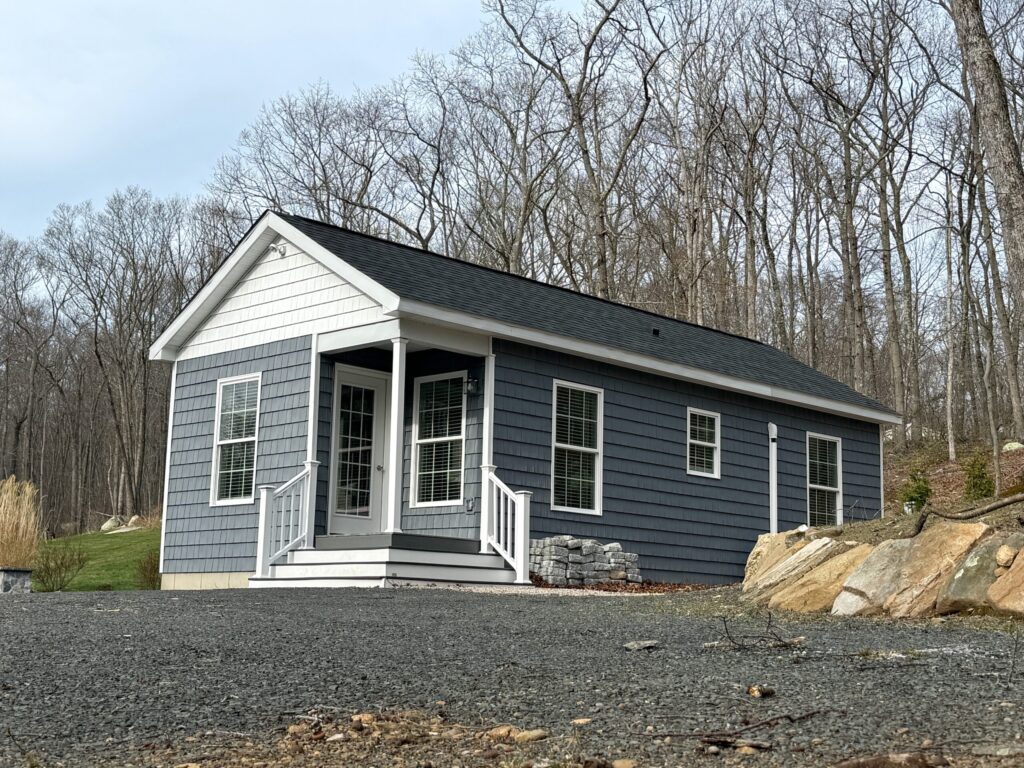
The Truth: Today’s modular homes come in a wide range of architectural styles—colonial, contemporary, ranch, farmhouse, and more. They can be customized with high-end finishes, open floor plans, energy-efficient systems, and unique design features. In fact, many modular homes are virtually indistinguishable from custom-built traditional homes.
Myth 4: Modular Homes Don’t Appreciate in Value
The Misconception: Some think modular homes lose value over time, like vehicles or mobile homes.
The Truth: Modular homes appreciate in value just like site-built homes, provided they are maintained and located in desirable areas. Because they are built to the same codes, banks, appraisers, and real estate agents treat them as standard housing.
Myth 5: They’re Not Built to Last
The Misconception: There’s a belief that modular homes aren’t durable enough to withstand decades of use or harsh weather.
The Truth: Modular homes are built to meet or exceed the same building codes as traditional homes. In fact, because they must withstand transportation to the build site, modular home sections are often structurally stronger than site-built framing. With proper care, modular homes can last for generations.
Myth 6: Modular Homes Are Only a Budget Option
The Misconception: People often think modular homes are just a cheaper way to build.
The Truth: While modular construction can be more cost-efficient due to reduced labor and time, it’s not limited to budget builds. Many homeowners choose modular for its efficiency, speed, and sustainability while still opting for luxury finishes and custom designs. Modular is about value—getting more home, faster, with fewer delays and hidden costs.
Modular homes represent a modern approach to building that blends efficiency with quality. They’re customizable, durable, and built to the same (or higher) standards as traditional homes. By separating myth from reality, it’s clear that modular construction isn’t just a “trend”—it’s the future of homebuilding.