

Construction Loans & Home Financing
We’ve been building homes in Connecticut and Rhode Island since 1986. Over the course of hundreds of finished projects, we’ve picked up on a number of process details that may prove helpful to know as a buyer moves through their new home build.
How does it work?
Where can I apply?
Start Your Home Planning Process with an Estimate
Take the first step by using our Plan Your Build tool. Select a Design Path, browse our various starting-point floorplans, then generate your own standard estimate!
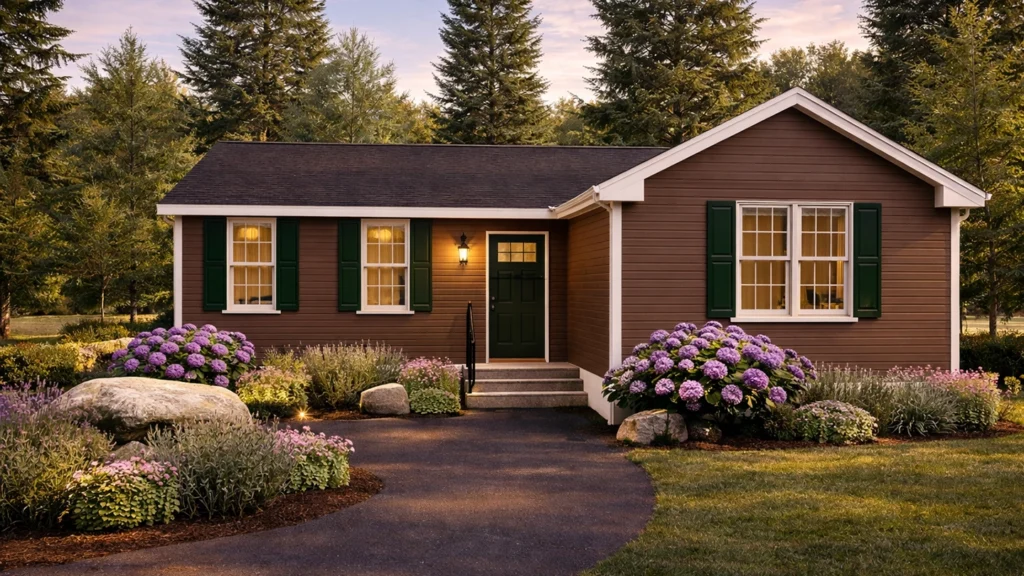
ADU Costs in Connecticut and Rhode Island Explained
Rising home prices, limited inventory, and a growing demand for flexible living arrangements have made ADUs an ever more attractive solution for homeowners in both Connecticut and Rhode Island....

What Happens After You Sign With SNEML? Your First 30 Days
Follow the first 30 days after signing to see how your modular home moves from paperwork to a weather-tight structure in just weeks....
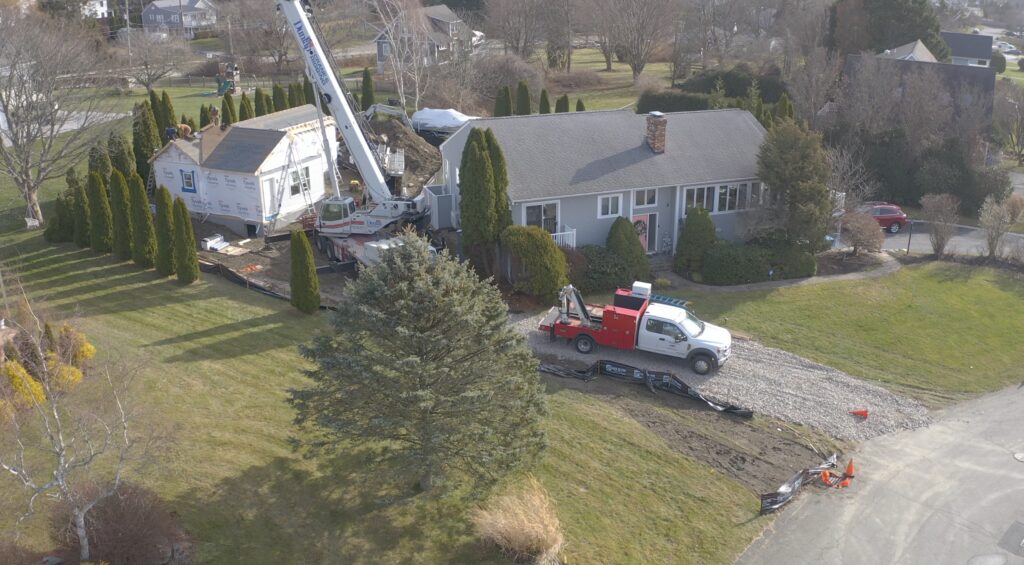
Connecticut’s ADU Laws and “Opting Out” – What Can I Build?
Connecticut passed Public Act 21-29 in 2021 to increase housing supply and affordability. The law required towns to allow at least one ADU on single-family lots, subject to the following conditions....
Frequently Asked Questions About Financing
What will I need in order to qualify?
Just like with a traditional mortgage, you’ll need to meet certain financial requirements and make a down payment.
Documentation: In order to complete a construction loan application, there are a number of records that you must compile. This includes but may not be limited to the following:
- Last two years of W2s. Or, if self-employed, the last two years of tax returns.
- Last two months of bank statements.
- Last two months of 401k statements.
Cash: Lenders will normally finance up to 80% of the appraised total project value.
- When your home is ordered from our factory, SNEML requires a 20% down payment. This 20% is normally paid out of pocket by the homebuyer.
- Liquid funds. In order to receive final approval for a construction loan, lenders will typically require proof that you have a minimum of 10% of the appraised project total value in liquid reserves.
- Money in a 401k account is not considered liquid until it has been withdrawn and placed into a checking/savings account.
How does a Construction Loan differ from a Traditional Mortgage?
Term length is different, of course. The initial term of a construction loan generally lasts a year or less, during which time the project is completed. Once the home is complete, the construction loan may transition into a traditional mortgage, whether fixed or adjustable, generally 15 to 30 years.
Repayment structure differs as well. With a mortgage, you start repaying the principal and interest straightaway. With a construction loan, only interest is paid during the construction period.