Early Foundations: Post-War Beginnings
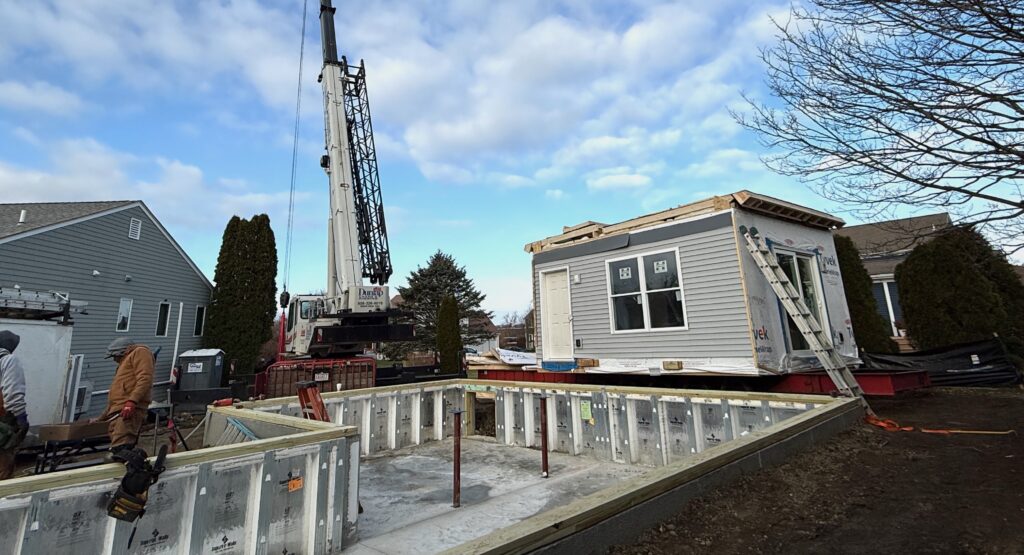
The roots of modular home construction can be traced back to the mid-20th century. After World War II, housing demand surged, and prefabricated building methods became a practical solution. Factories produced modular components that could be transported and quickly assembled on-site, reducing costs and build times. At this stage, modular homes were often basic and utilitarian, designed to provide affordable shelter for growing populations.
The Rise of Standardization in the 1960s–1980s
By the 1960s, manufacturers began refining production techniques, introducing standardized designs and dimensions. Innovations in assembly-line manufacturing allowed modular home builders to scale production while maintaining consistent quality. During this era, the industry saw the introduction of improved insulation, HVAC systems, and integration with local building codes, helping modular homes shed the “temporary” stigma and gain broader acceptance.
Material Advancements: 1990s–2000s
The 1990s and early 2000s brought significant improvements in materials. Engineered wood products, advanced composites, and energy-efficient windows expanded design possibilities while enhancing durability. These innovations allowed modular homes to more closely resemble traditional site-built houses in appearance and longevity. At the same time, computer-aided design (CAD) entered the industry, enabling builders to experiment with more complex floor plans and streamline the design-to-production pipeline.
Sustainability and Green Design: 2000s–2010s
As sustainability became a global priority, modular home builders embraced eco-friendly practices. Factories began adopting waste-reduction systems, recycling excess materials, and sourcing greener building products. Modular construction also lent itself to energy-efficient designs, with innovations such as solar-ready roofs, geothermal systems, and improved airtightness. LEED and ENERGY STAR certifications became benchmarks, proving that modular homes could lead the way in green building.
Digital Transformation and Smart Technology: 2010s–2020s
In the past decade, digitalization has revolutionized modular housing. Building Information Modeling (BIM) and 3D modeling software have made it easier to design, customize, and optimize modular projects. Smart home technologies, from integrated security systems to energy monitoring apps, became increasingly standard in modular homes. Factories also adopted automation and robotics to improve precision, speed, and worker safety in the production process.
The Present and Future: Customization, Speed, and Resilience
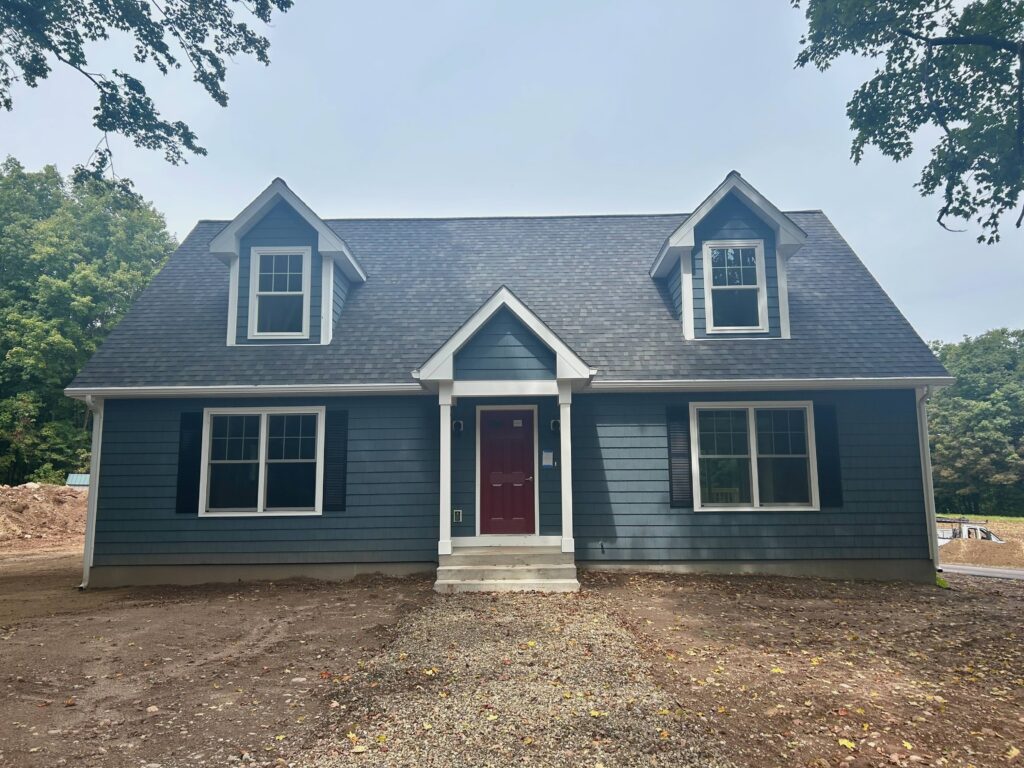
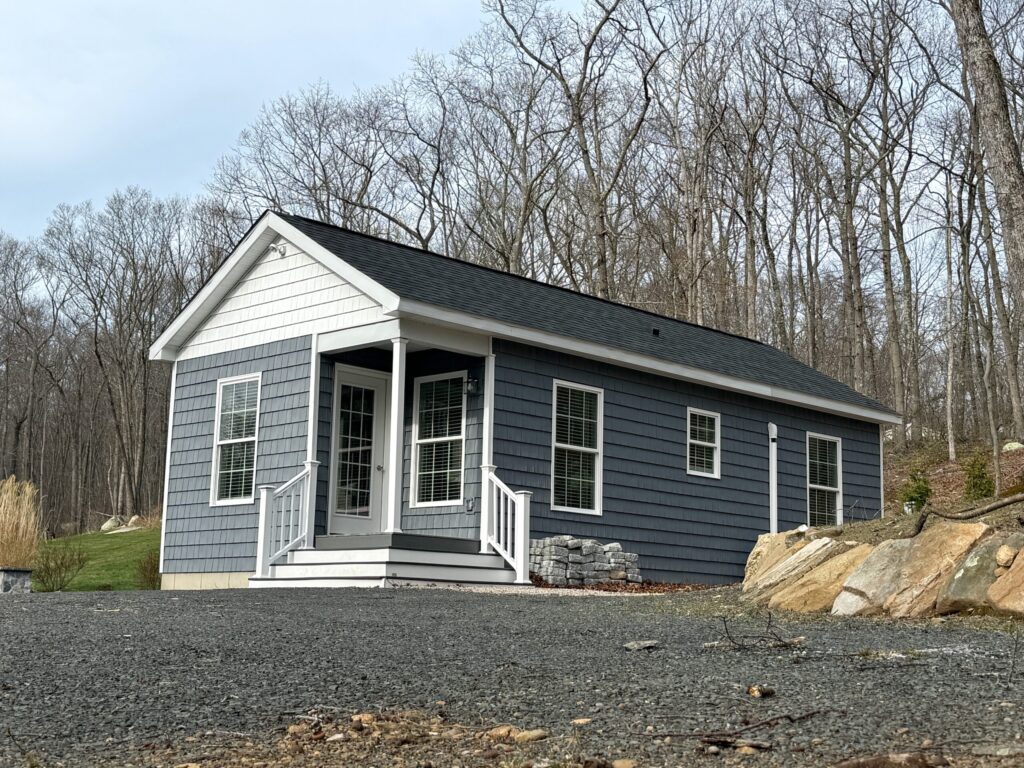
Today, modular construction is at the forefront of homebuilding.
New innovations include:
- Hybrid modular systems, combining off-site modules with on-site customization for more flexibility.
- Climate-resilient designs, ensuring homes can withstand hurricanes, floods, and wildfires while maximizing home efficiency.
- Affordable luxury models, proving modular homes can be both cost-effective and high-end.
Looking ahead, modular home building is poised to further integrate artificial intelligence, robotics, and sustainable technologies. These innovations will not only shorten build times but also redefine how communities are planned and constructed.