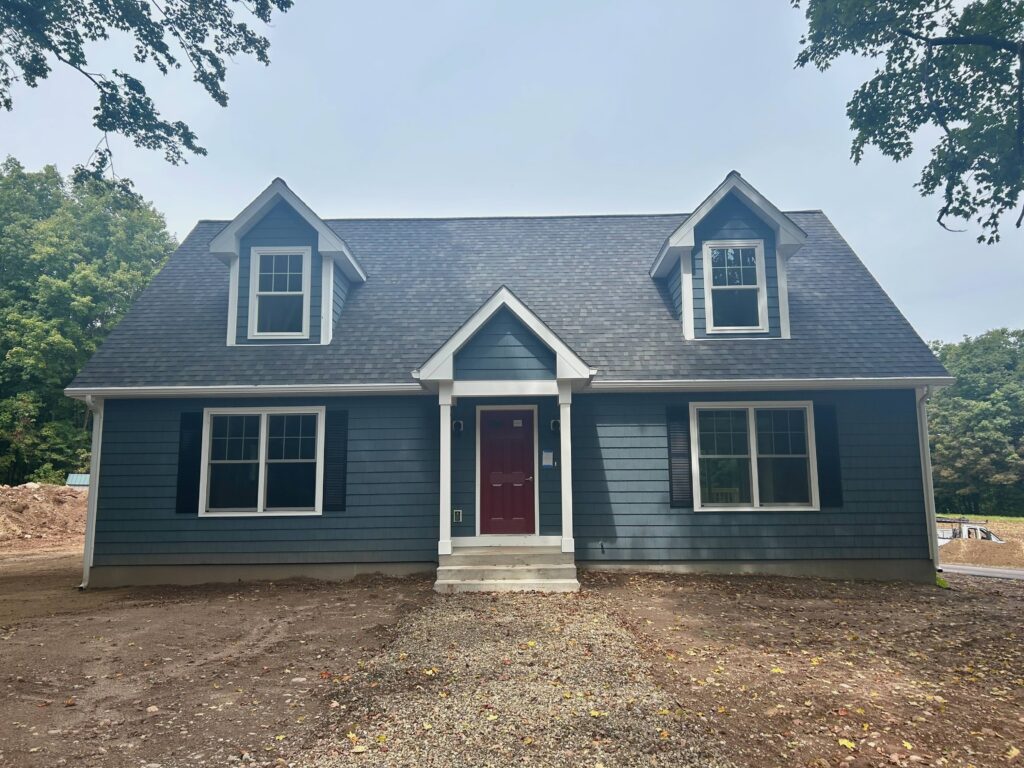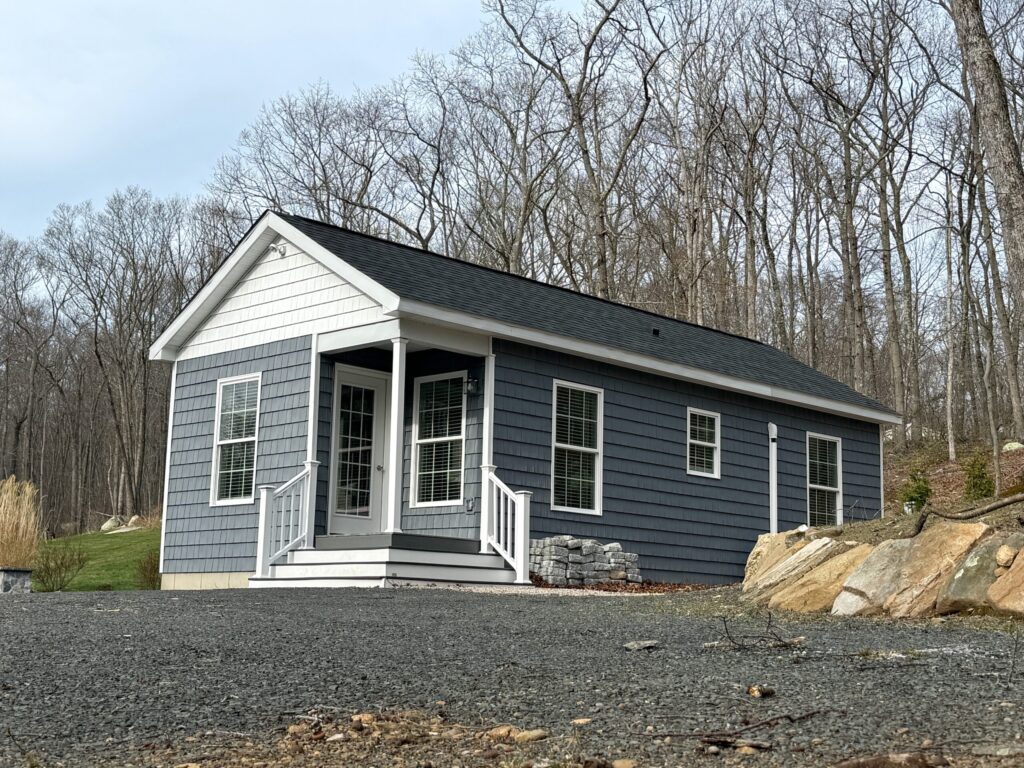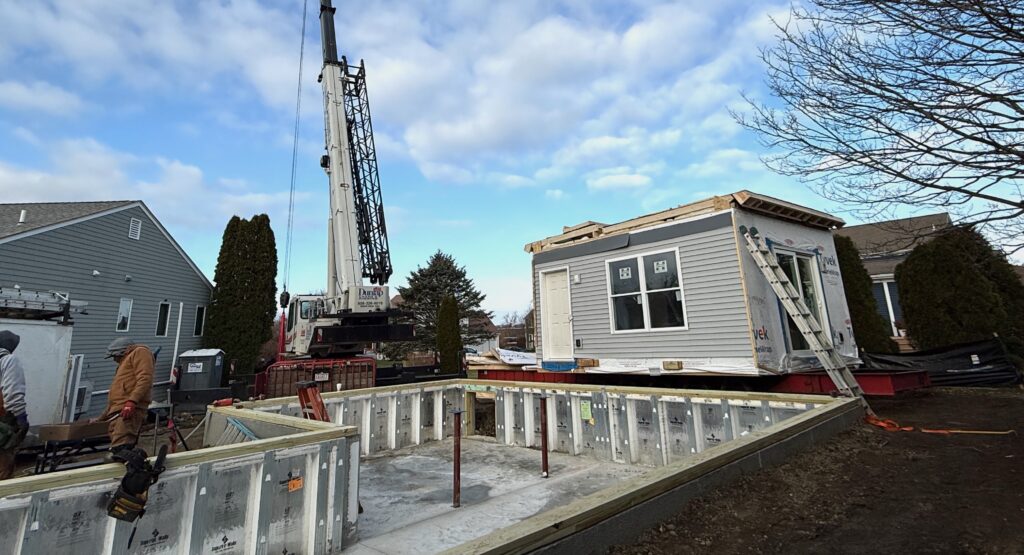
While the terms “Modular” and “Manufactured” are often used interchangeably, they really shouldn’t be. Sure, both are built in a factory, but that’s about where the similarities end. Allow us to clear the air on Modular vs Manufactured.
For starters: Mobile homes are manufactured homes, not modular homes.
What is the Difference Between Modular Homes and Manufactured Homes?
While the differences are aplenty, there is one clear, primary differentiator— modular homes, like traditional site-built homes, are permanent structures that must comply with state and local building codes. Manufactured homes are not inherently permanent, and must comply with federal HUD code, rather than local building codes. From a legal standpoint, a modular home is considered “real property”, whereas a manufactured home is normally considered “personal property”.
From a structural perspective, modular and manufactured homes occupy different ends of the spectrum. While modular homes are wood-framed and must be set atop a permanent foundation [concrete], manufactured homes are built on a steel chassis, like an RV, and can be transported as needed.
Do Modular Homes Appreciate Over Time in Connecticut and Rhode Island?
While modular homes do cost significantly more than manufactured homes up-front, modular homes will appreciate in value over time just like a traditional stick-built home will. Manufactured homes, on the other hand, are generally considered to be a depreciating asset. The land underneath it may appreciate, but the manufactured home itself is unlikely to do so.
Financing Modular Homes vs. Manufactured Homes in Connecticut and Rhode Island
Modular homes are normally financed through traditional, long-term, low-interest mortgages, like a Construction to Permanent Loan, whereas manufactured homes are usually purchased through shorter-term, higher-interest loans.
These points cover the basics— building code, structural composition, and finances. However, the list does go on. Additional considerations associated with manufactured housing include local zoning challenges, limited design flexibility, and discrepancies in overall quality of construction as compared to modular homes. In summary: modular homes and manufactured homes, while they may sound similar, are actually not; they are two completely different types of housing.
A Modular Home May Be The Right Fit For You If:
You’re a traditional, qualified homebuyer in the market for a permanent housing solution.
A Manufactured Home May Be The Right Fit For You If:
You’d like to own a home, yet traditional houses are outside your budget and you’ve identified an area in which local zoning will allow manufactured homes.