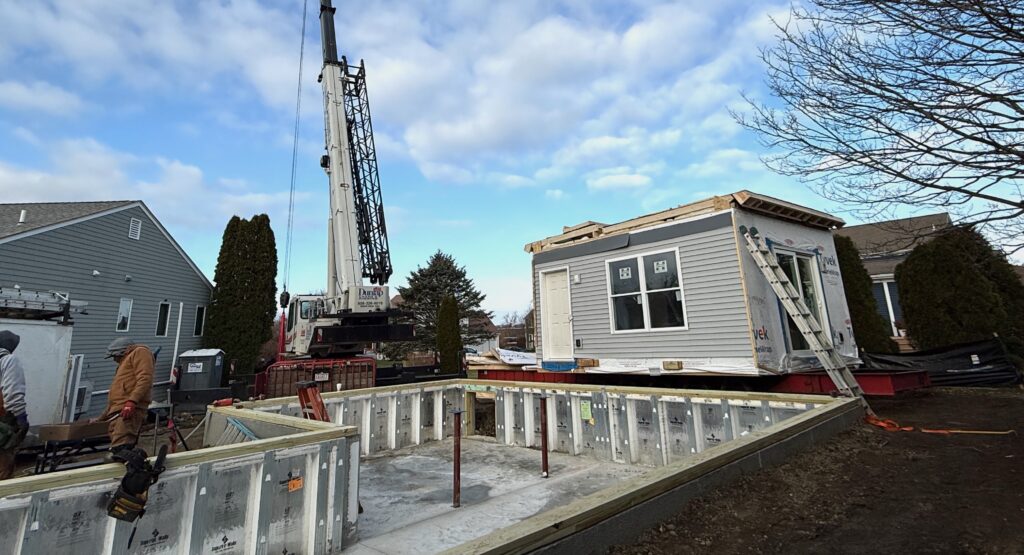
ADUs vs Assisted Living
Needing some occasional help, struggling with stairs at home, or simply wanting to live closer to family does not necessarily mean it’s time to give up independent living.


Needing some occasional help, struggling with stairs at home, or simply wanting to live closer to family does not necessarily mean it’s time to give up independent living.
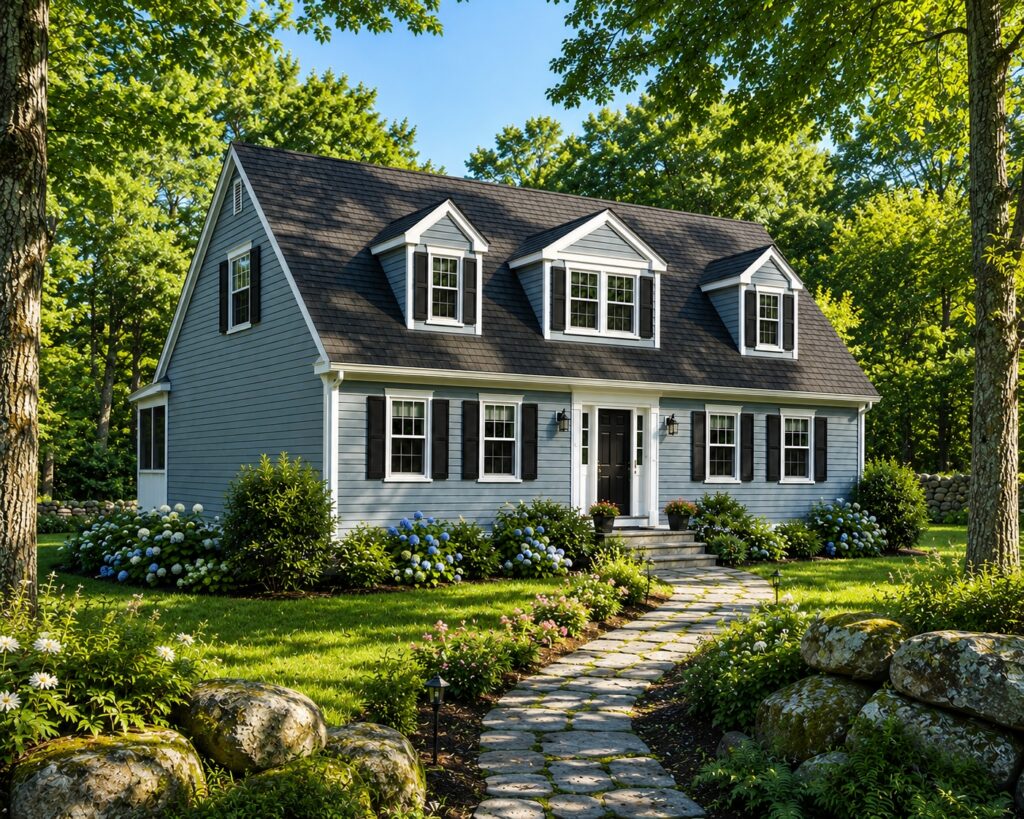
Simply put, our Cape Plus turnkey builds are the strongest value in Connecticut and Rhode Island homebuilding today.
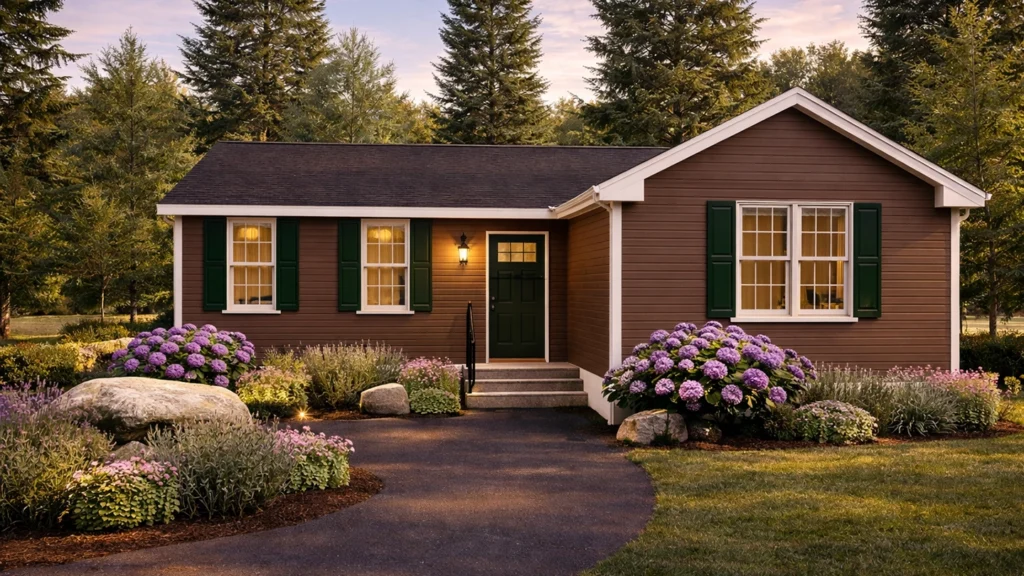
Rising home prices, limited inventory, and a growing demand for flexible living arrangements have made ADUs an ever more attractive solution for homeowners in both Connecticut and Rhode Island.
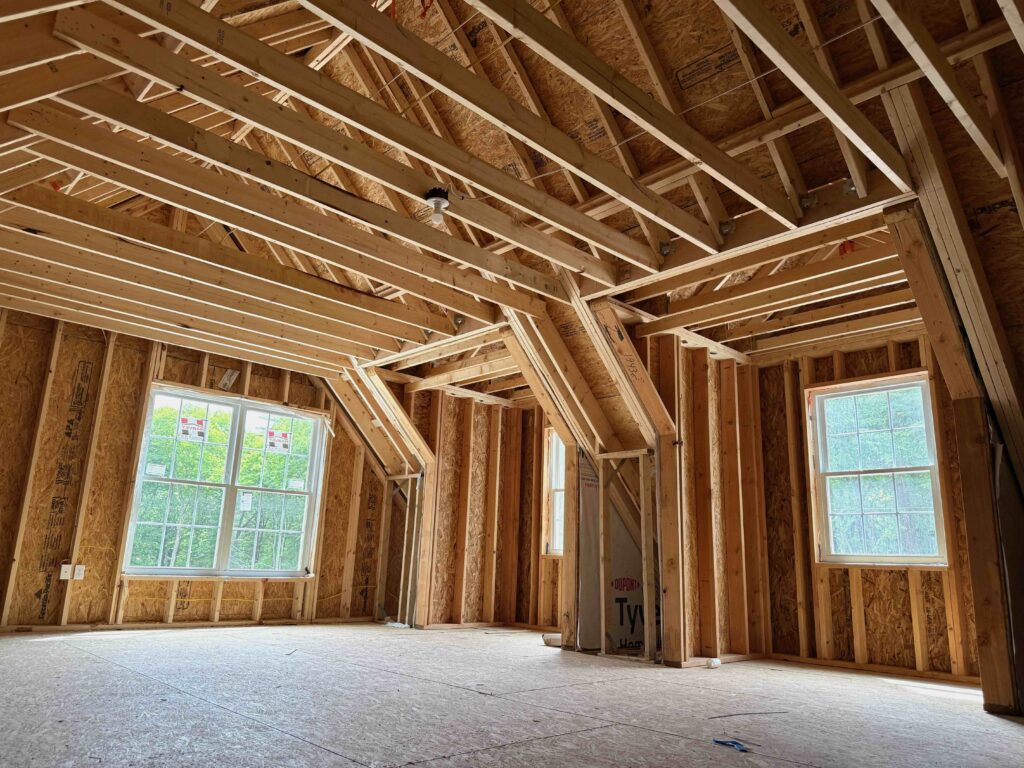
A Cape Plus is a Cape-style home that is delivered with an open, unfinished upstairs, then the second-floor interior is framed, insulated, drywalled, painted, wired, and plumbed on-site following delivery, rather than at the modular factory.
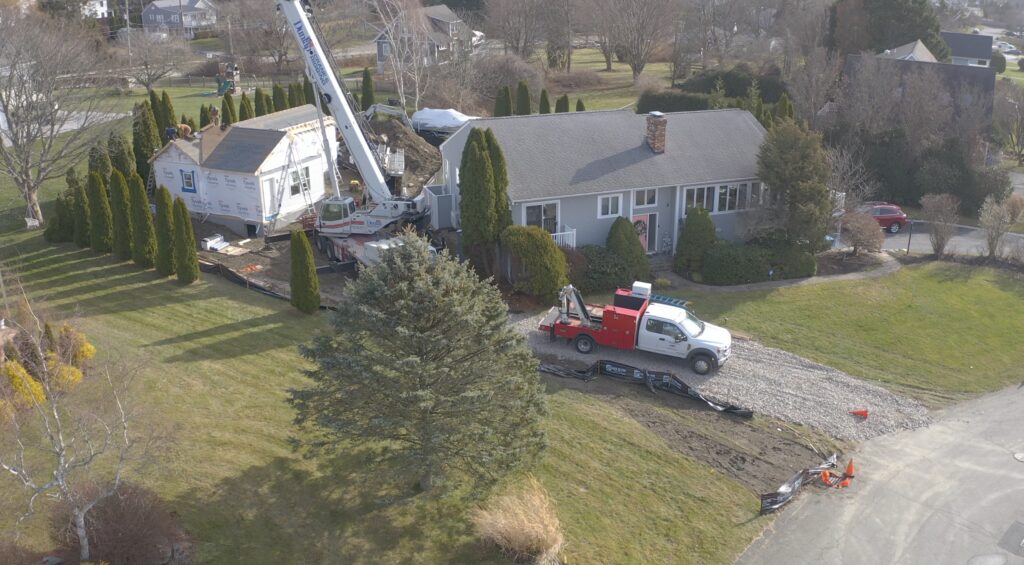
Connecticut passed Public Act 21-29 in 2021 to increase housing supply and affordability. The law required towns to allow at least one ADU on single-family lots, subject to the following conditions.
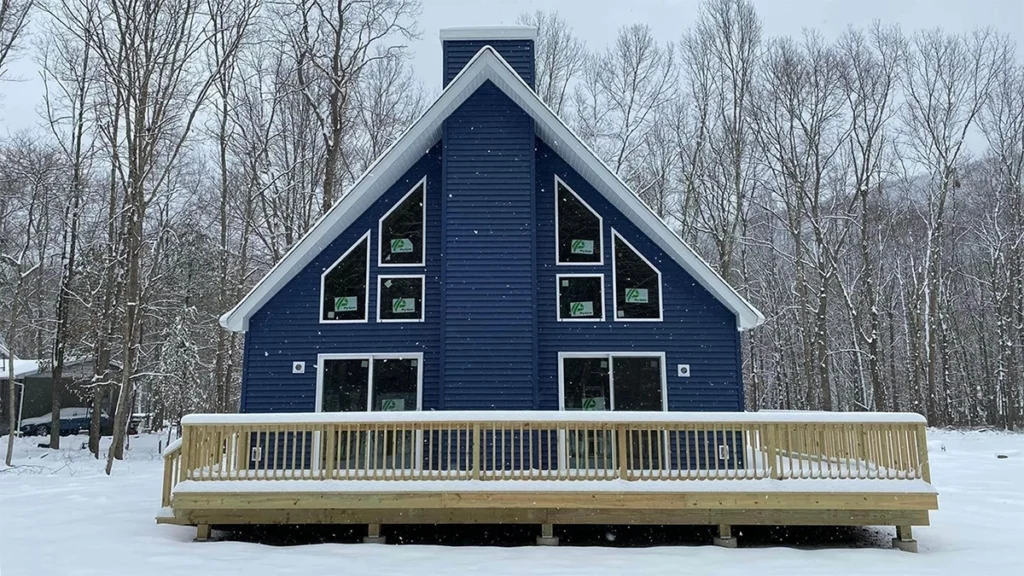
Modular construction changes the game. Because of its factory-based process and streamlined installation, modular homes can be built efficiently, even in the middle of winter.
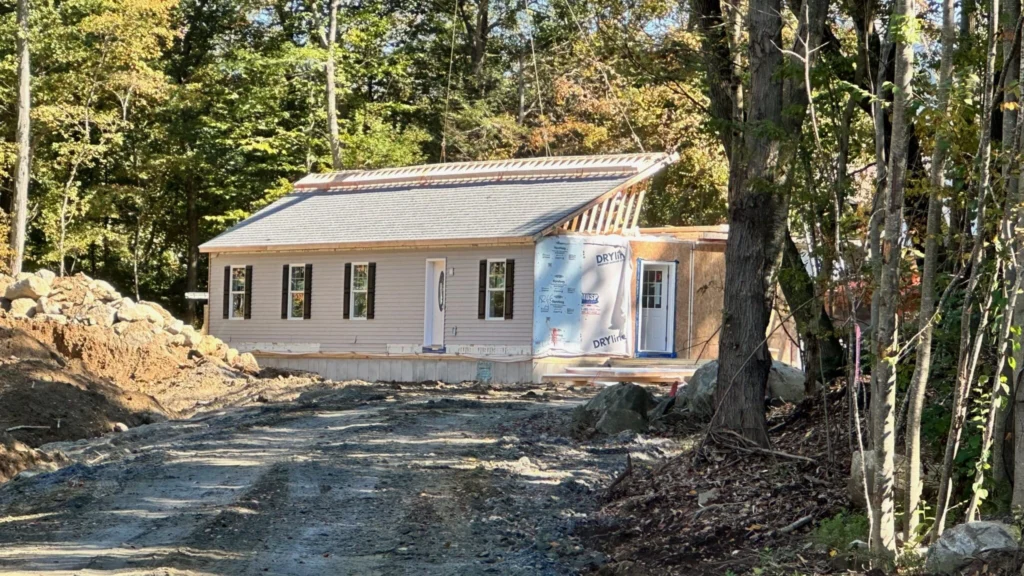
Finding the right buildable lot for a new home isn’t just about spotting “land for sale” — it’s about locating parcels that are practical, permitted, and priced for construction in the first place.
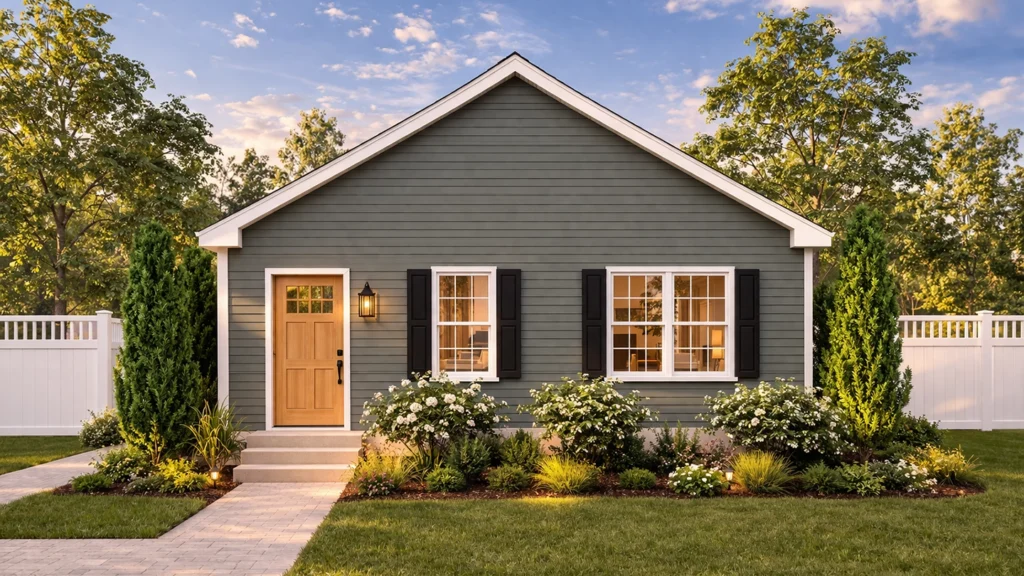
While Rhode Island has amended state-wide Zoning laws in favor of ADUs in recent years, Connecticut’s rules are less straightforward. Here’s what you’ll need to know about building an ADU in Connecticut.
Everything you need to know about our modular home building process, from initial inquiry to occupancy.