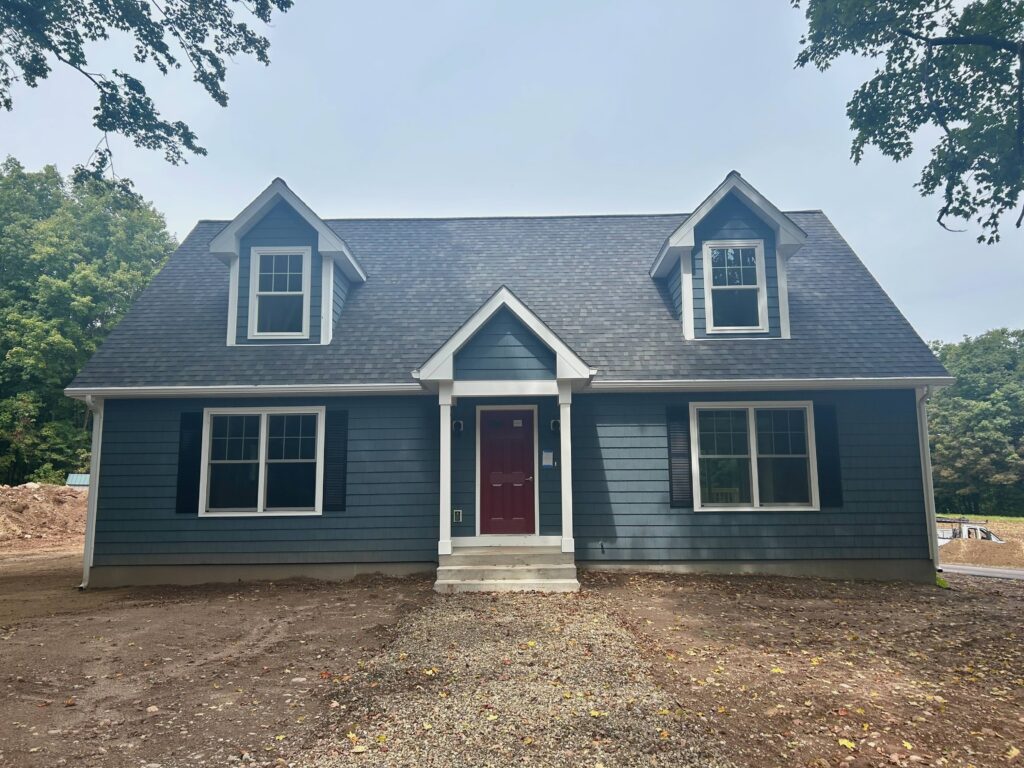
Modular vs Manufactured Homes: Which is Right for You?
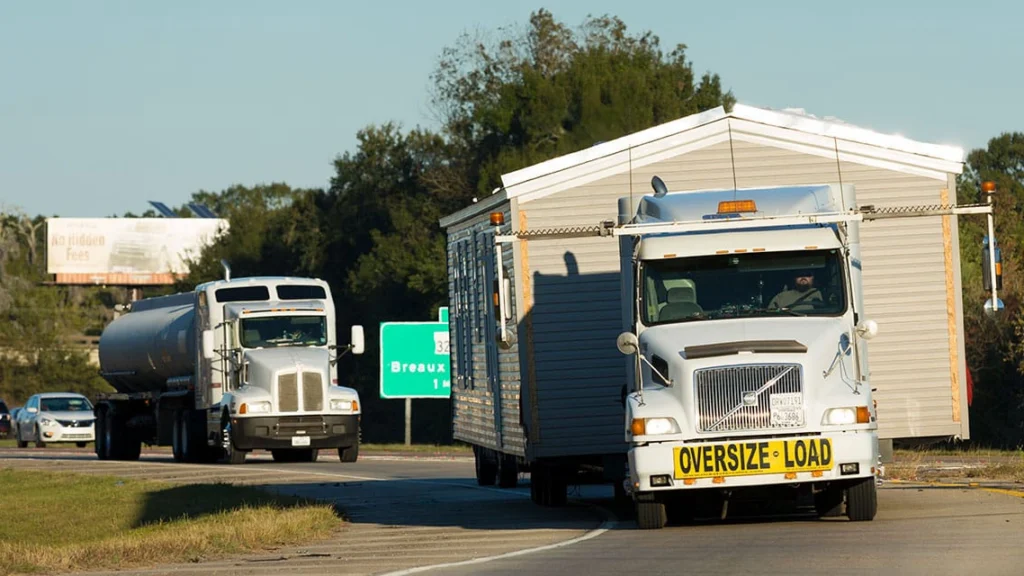
Sure, both are built in a factory, but that’s about where the similarities end. Allow us to clear the air on Modular vs Manufactured.
Modular home builds are not entirely immune to delays. Understanding the most common causes for delay may help homebuyers to plan more effectively and put themselves in the best possible position to keep their build on track.
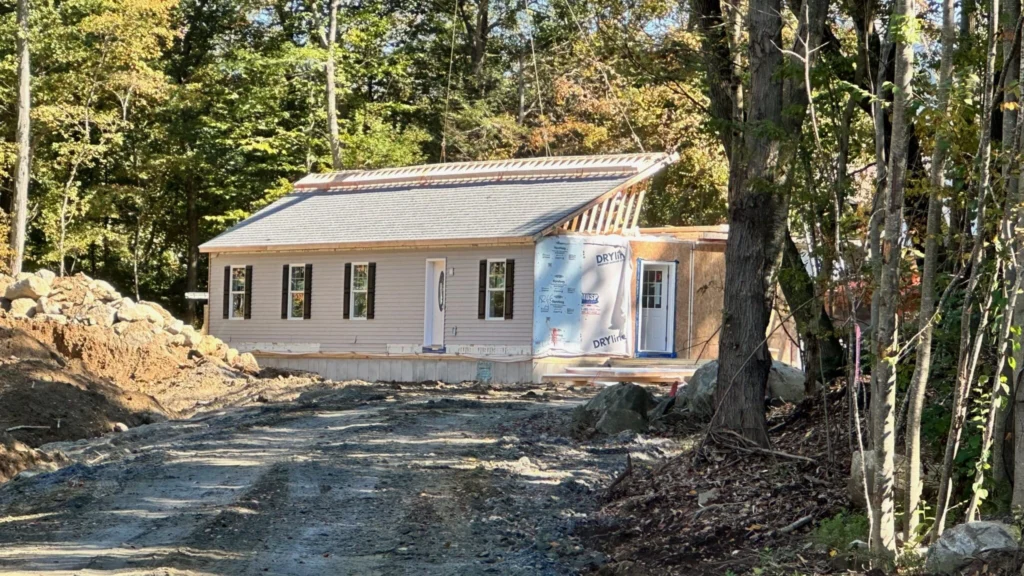
Follow the first 30 days after signing to see how your modular home moves from paperwork to a weather-tight structure in just weeks.
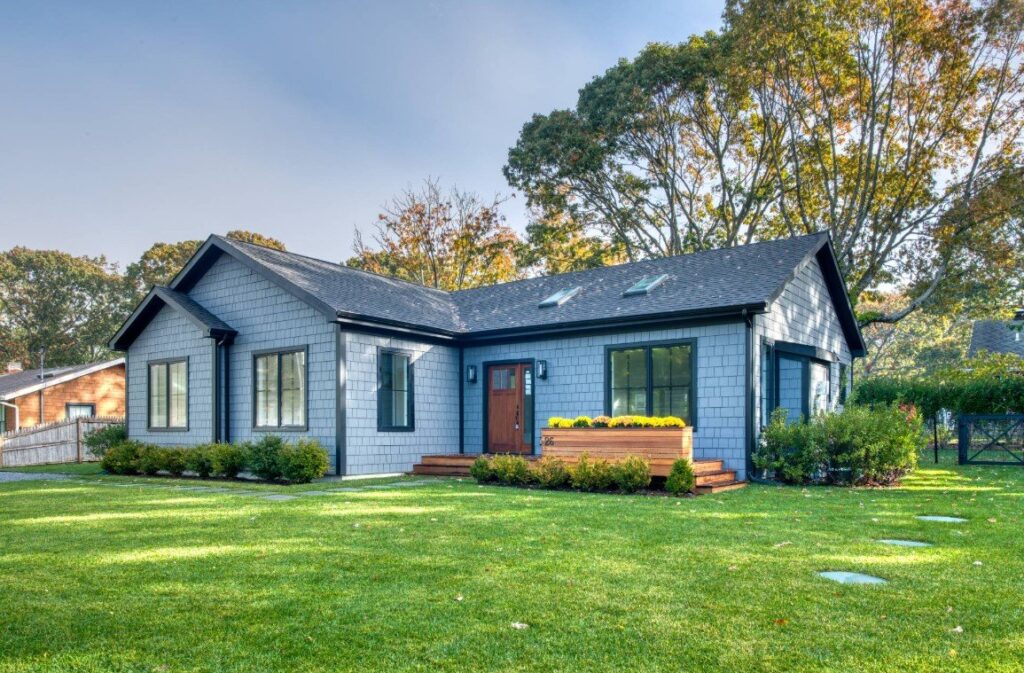
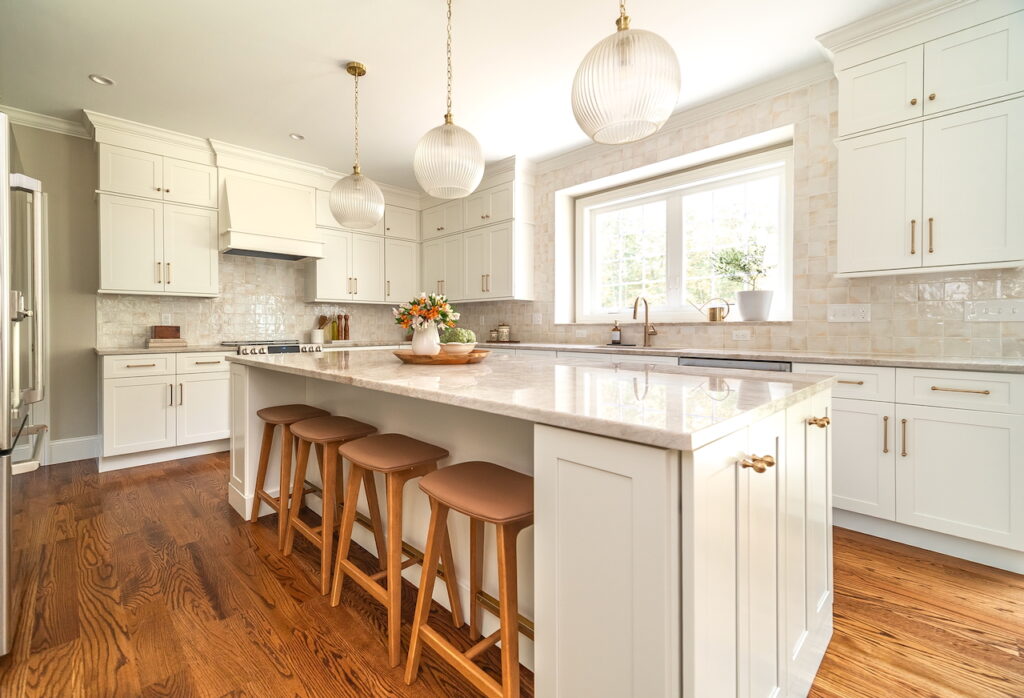
Like a site-built home, you can have anything you’d like inside. Modular homes are just a matter of what happens at the factory versus on-site following delivery.
Pennsylvania became a hub for modular home building for several interconnected reasons — geographic, economic, and cultural.
The roots of modular home construction can be traced back to the mid-20th century. Today, modular construction is at the forefront of solving housing shortages and disaster recovery needs.
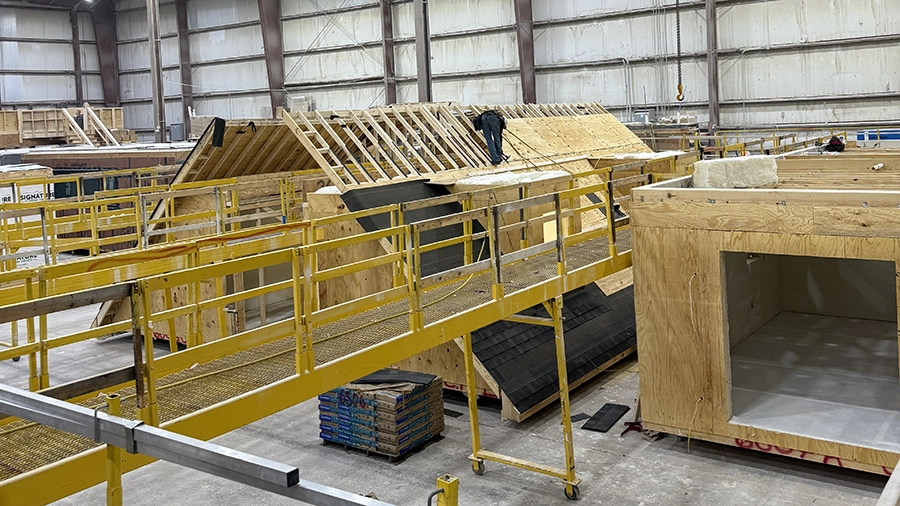
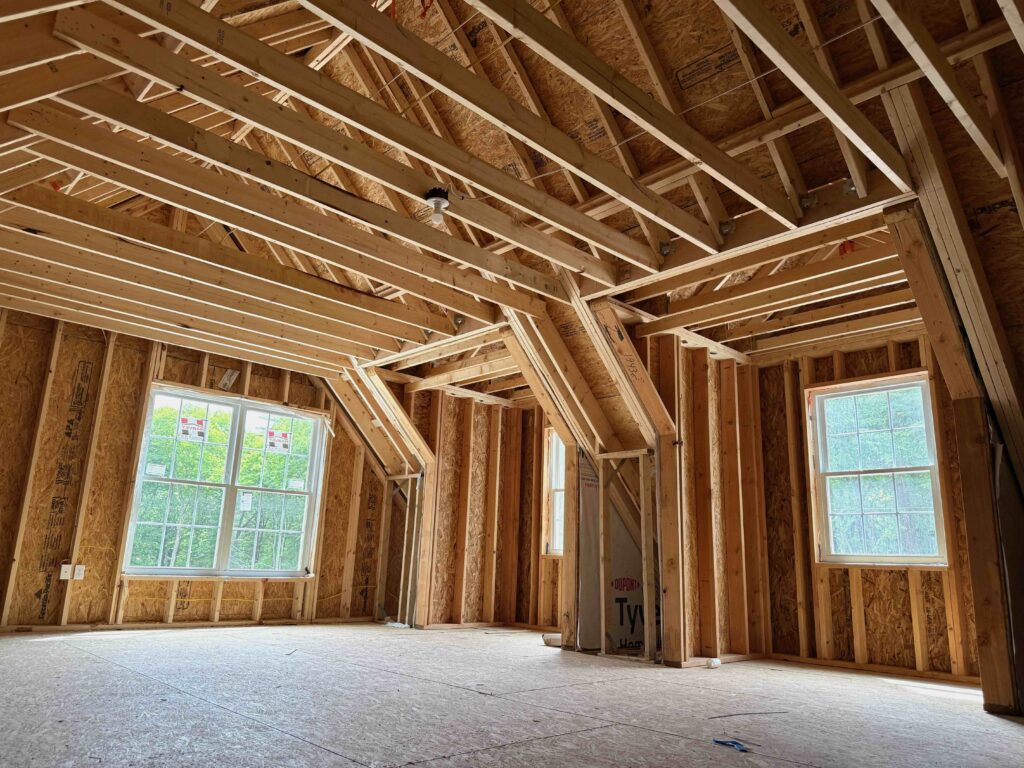
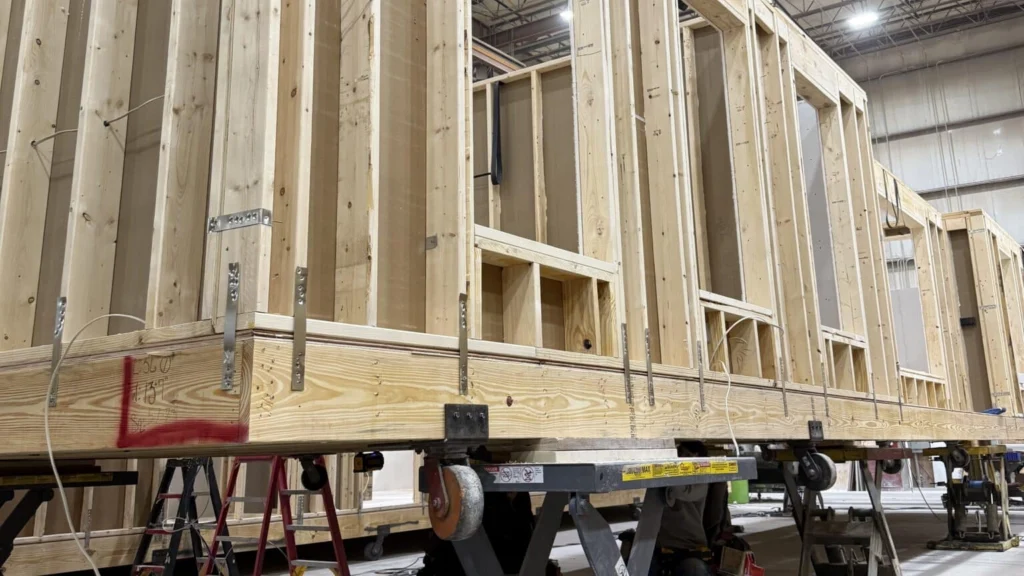
Modular construction differs from conventional site-built methods in one key way: homes are built in modules inside a factory setting.
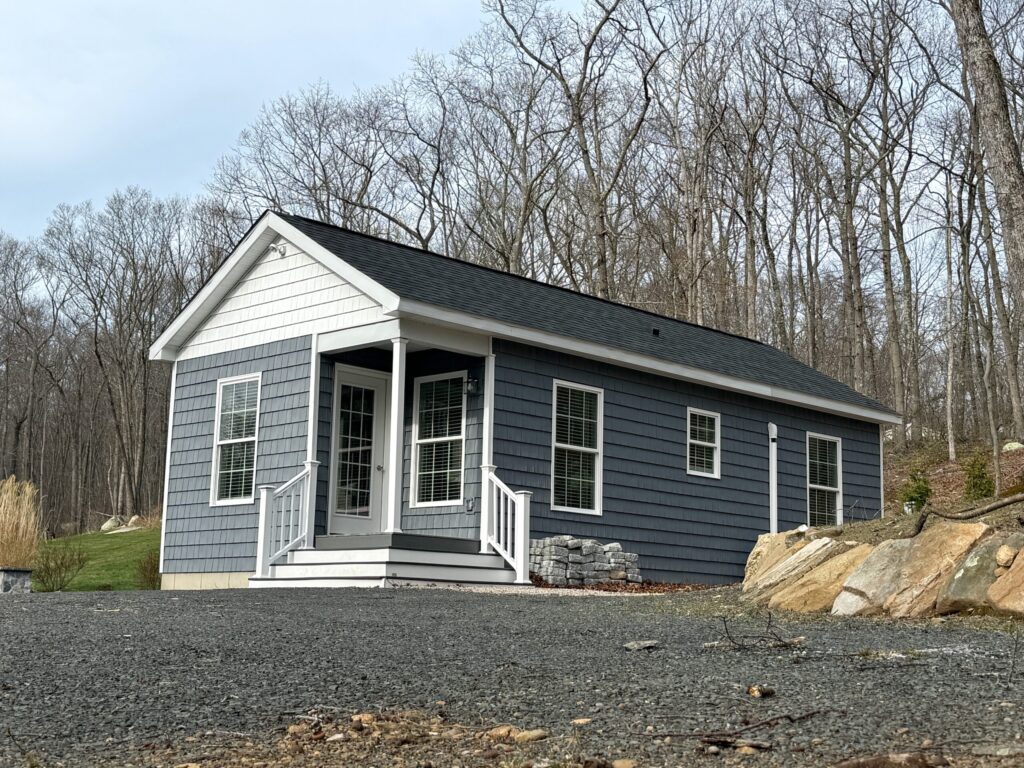
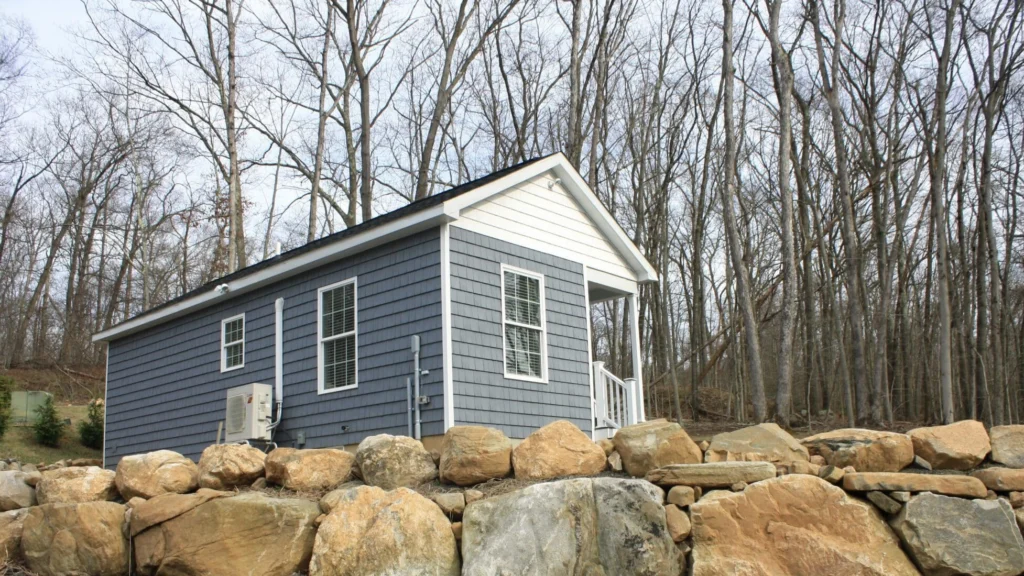
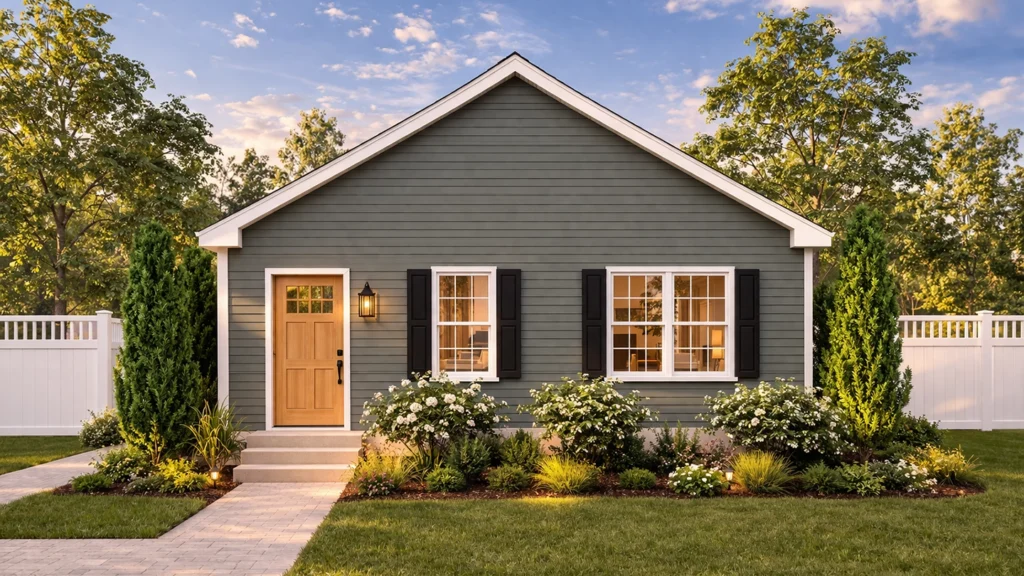
As a known, go-to source for Accessory Dwelling Units (ADUs) throughout Southern New England, we receive quite a few inquiries from folks considering moving their family or close friends onto their property.
Connecticut passed Public Act 21-29 in 2021 to increase housing supply and affordability. The law required towns to allow at least one ADU on single-family lots, subject to the following conditions.
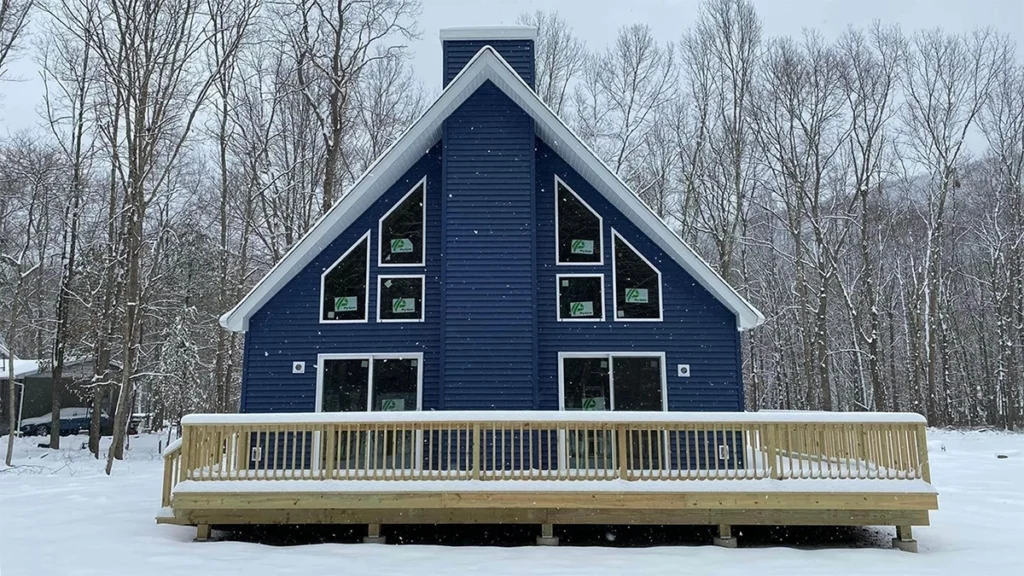
Modular construction changes the game. Because of its factory-based process and streamlined installation, modular homes can be built efficiently, even in the middle of winter.
Finding the right buildable lot for a new home isn’t just about spotting “land for sale” — it’s about locating parcels that are practical, permitted, and priced for construction in the first place.
Modular homes have become an increasingly popular choice for homeowners looking for efficiency, quality, and sustainability. Yet, despite their growth, many people still carry misconceptions about what modular construction really means. Let’s clear the air and uncover the truth behind some of the most common myths.
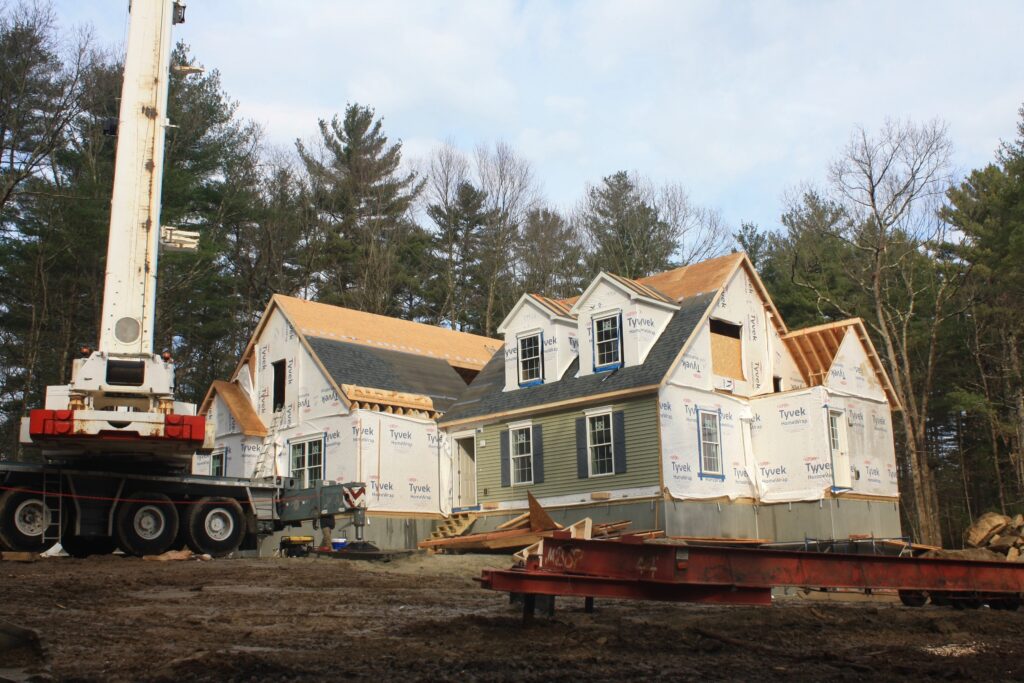
With all the excitement and build-up surrounding Set Day, it’s easy for a homebuyer to feel like Set Day is the finish line they’ve been so eagerly looking forward to. Homebuyers should expect at least 8 weeks from Set Day until they can move in.
While Rhode Island has amended state-wide Zoning laws in favor of ADUs in recent years, Connecticut’s rules are less straightforward. Here’s what you’ll need to know about building an ADU in Connecticut.
ADUs are not shrunken-down homes; ADUs are thoughtfully and efficiently designed. ADU floorplans prioritize the essentials, which makes them feel much larger than the square footage would lead one to believe.
Everything you need to know about our modular home building process, from initial inquiry to occupancy.
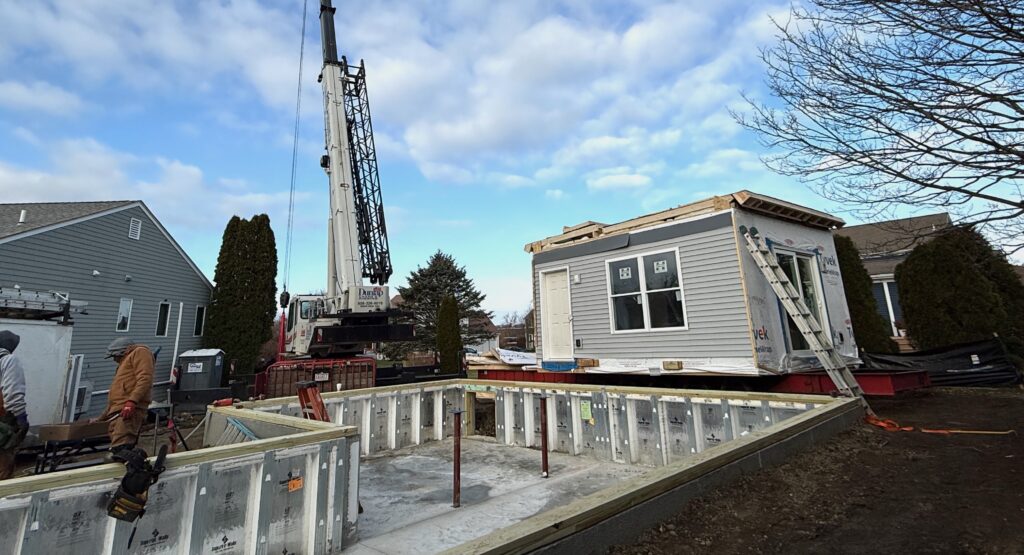
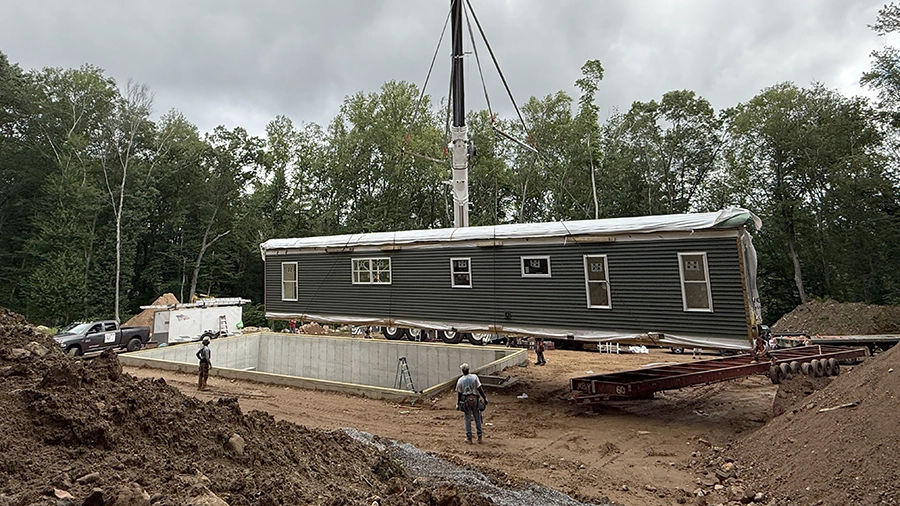
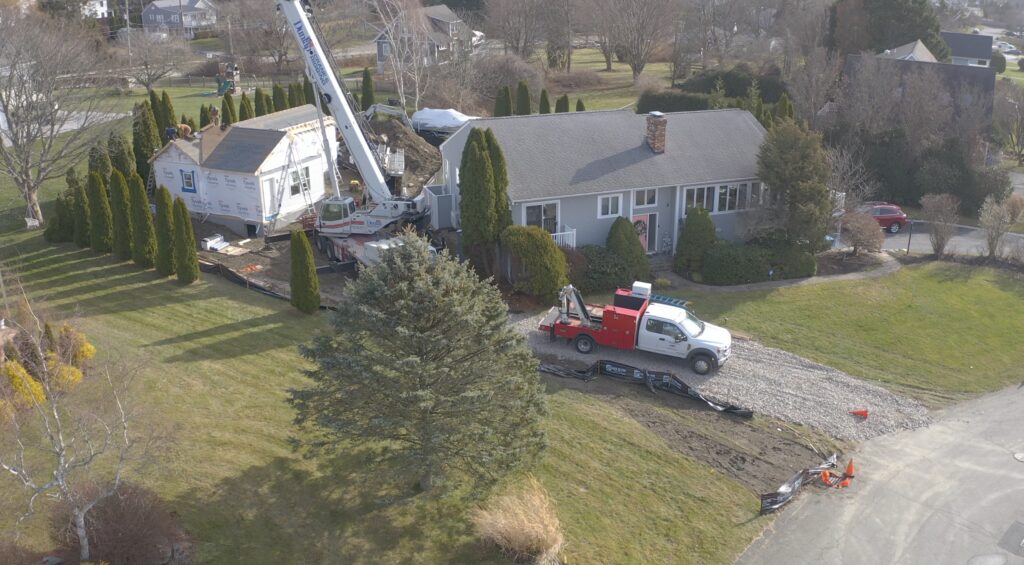
Modular homes are built in sections in a factory, transported to your property, then assembled like building blocks with a large crane. Meanwhile, stick-built homes are constructed entirely on-site.